Skip to content




Fast, Free Standard Delivery
Choose your Delivery Date
Outstanding value

Order before 3pm Thursday to get Saturday delivery*
10% off Garden Turf & Twinstak Bulk Bags - ends 30th October
Order by 3pm today for Saturday delivery this weekend*
How to Choose the Right Turf for Your Garden: A Complete Homeowner’s Guide
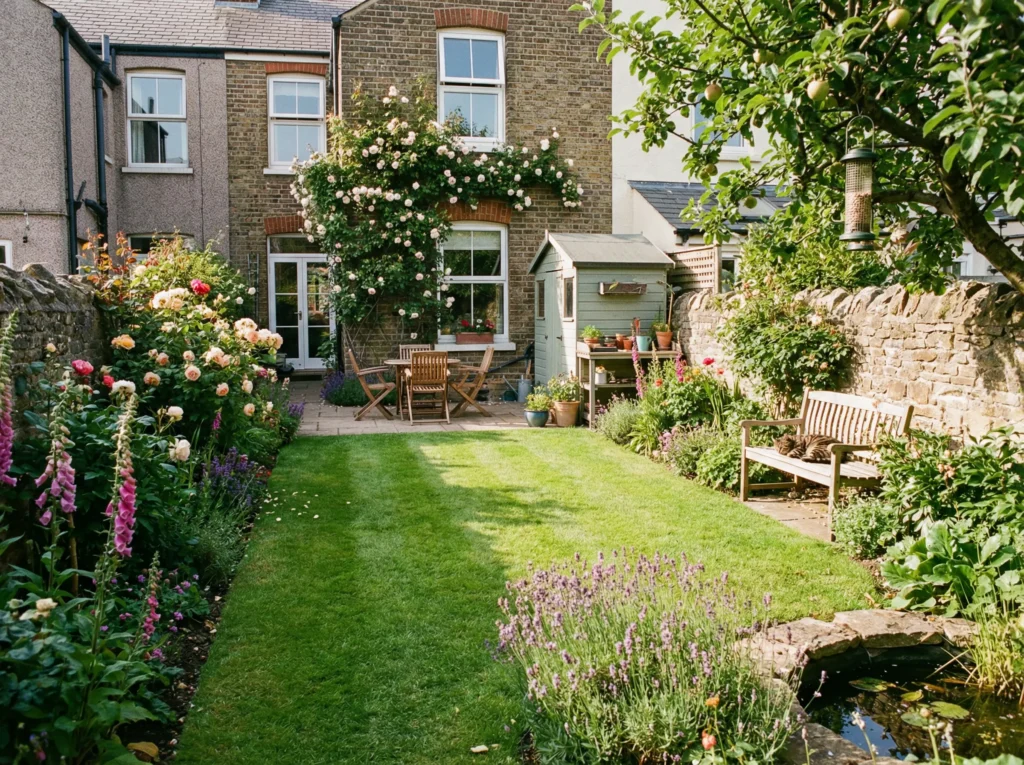
A lush, green lawn has the power to completely transform the look and feel of your outdoor space. However, achieving long-term success depends heavily on choosing the right turf. With so many options available, it’s understandable to feel uncertain about which variety will suit your garden’s specific conditions, including soil type, shade levels, climate and intended use.
Fortunately, this guide is designed to walk you through all the key considerations. By breaking down the options step by step, it helps you make an informed decision and sets you on the path to enjoying healthy, vibrant and beautiful turf for years to come.
Why Choosing the Right Turf Matters
The type of turf you select has a direct impact on several important aspects of your lawn, including:
Growth speed, which determines how quickly your lawn fills in
Maintenance requirements, affecting how much time and effort you’ll need to invest
Wear resistance, crucial for gardens with pets, children or high foot traffic
Shade tolerance, ensuring your grass thrives in darker corners of your garden
Water consumption, which influences both sustainability and ongoing care
Overall longevity, determining how long your lawn stays healthy and vibrant
Therefore, by understanding how different turf varieties perform under specific conditions, you can choose a type that not only establishes well but also flourishes in your garden. In other words, selecting the right turf from the start prevents future struggles and helps you maintain a strong, low-stress, and attractive lawn.
1. Assess Your Garden Conditions
Before choosing the right turf, it’s important to carefully evaluate the environment where it will grow. By understanding your garden’s specific conditions, you can select a variety that establishes quickly, thrives long-term and reduces maintenance challenges.
Sunlight Levels
Full sun (6+ hours/day): Most standard, hard-wearing turf blends perform well under these conditions.
Partial shade: In areas with dappled sunlight, it’s best to opt for shade-tolerant varieties that can thrive without full exposure.
Full shade: Turf tends to struggle in deep shade. In such cases, consider a mix specifically designed for shady spots, or explore alternative planting options.
Soil Quality
Next, take a close look at your soil. Conducting a quick soil test can reveal whether your soil is sandy, clay-heavy or rich in organic matter. If the results show poor soil quality, adding fresh topsoil or compost before laying turf will significantly enhance root establishment and overall lawn health.
Drainage
Finally, consider how well your soil drains:
Free-draining soil: Ideal for most turf types and generally supports healthy growth.
Water-logged areas: In areas prone to standing water, either choose a turf variety with deeper roots or improve drainage by incorporating sand or aggregates before laying.
By carefully assessing sunlight, soil quality and drainage, you set the foundation for a lawn that grows evenly and stays healthy for years to come.
2. Match the Turf to How You’ll Use Your Garden
Once you’ve assessed your garden conditions, the next step is to consider how the lawn will be used. After all, different lifestyles and garden purposes call for different types of turf. By aligning your choice with your garden’s intended use, you’ll ensure that your lawn not only looks great but also performs well under everyday conditions.
Family & High-Traffic Areas
For gardens that see lots of activity, such as children playing or pets running around, it’s important to choose a hard-wearing, durable turf. This type of grass can withstand regular foot traffic without wearing down, helping your lawn stay green and healthy even under heavy use.
Ornamental Gardens
Alternatively, if your focus is on aesthetics, opt for a fine, attractive turf that creates a manicured, polished look. While these varieties may require more regular maintenance, they reward you with exceptional visual appeal and a truly show-stopping lawn.
Low-Maintenance Gardens
Finally, for gardens where convenience is a priority, slow-growing or drought-tolerant turf varieties are ideal. These reduce the need for frequent mowing and watering, making it easier to maintain a healthy lawn with minimal effort.
By carefully matching the turf to your garden’s use, you can balance beauty, durability and ease of care, ensuring your lawn suits your lifestyle perfectly.
3. Consider Climate and Location
In addition to garden conditions and intended use, your local climate and location play a crucial role in how well your turf will perform. By taking these factors into account, you can select a variety that not only survives but thrives in your specific environment.
Cooler Regions
For gardens in cooler climates, it’s best to choose cool-season grasses. These varieties remain green throughout the year and tolerate lower temperatures, ensuring your lawn looks healthy even during colder months.
Hotter, Drier Regions
Conversely, in hotter or drier regions, you’ll want to opt for drought-tolerant turf. These grasses require less water and are more resilient to heat stress, reducing maintenance demands while keeping your lawn looking vibrant.
By carefully considering both climate and location, you can match your turf to the conditions it will face, giving your lawn the best chance of long-term success.
4. Prepare the Ground Properly Before Laying Turf
Even the highest-quality turf will struggle to thrive if the soil beneath it is poorly prepared. Therefore, careful ground preparation is essential for healthy, long-lasting results. By following a few key steps, you can create the ideal foundation for your new lawn.
Clear the Area
First, remove old grass, weeds and debris to ensure the new turf has direct contact with the soil. This step prevents future patchiness and competition for nutrients.
Level and Rake the Soil
Next, level the ground and rake it smooth. A flat, even surface not only looks better but also prevents water pooling and helps roots establish uniformly.
Improve Soil Quality
In addition, add nutrient-rich topsoil to enhance soil structure. Look for a topsoil with the right balance of sand, silt, and clay, blended with conditioners to support healthy growth. For example, our Blended Topsoil provides an ideal base for any lawn project.
Incorporate Compost
Mix in compost to further enrich the soil. Using a peat-free compost is a cost-effective way to add essential organic matter, improving fertility, structure and overall root establishment. This step significantly boosts your lawn’s chances of thriving.
Ensure Proper Drainage and Firm the Ground
Finally, check drainage to avoid waterlogging, and firm the soil lightly before laying the turf. These steps help the turf settle evenly and allow roots to anchor quickly.
By carefully preparing the ground using these techniques, you give your turf the best possible start, ensuring strong roots, uniform growth and a healthy, long-lasting lawn.
5. Factor in Maintenance Requirements
In addition to climate, soil and garden use, it’s important to consider how much time and effort you’re willing to invest in lawn care.
Being realistic about maintenance needs upfront can save you frustration later and ensure your lawn stays healthy and attractive.
High-Maintenance Turfs
For those who don’t mind regular care, high-maintenance varieties can deliver a pristine, manicured look. However, these grasses typically require frequent mowing, feeding and consistent watering, so you’ll need to commit to ongoing attention.
Low-Maintenance Turfs
On the other hand, low-maintenance turf varieties are ideal if you prefer a more hands-off approach. These grasses grow more slowly, need less water and generally remain tidy with minimal effort, making them perfect for busy households or gardeners seeking convenience.
By carefully matching your turf choice to the level of upkeep you’re willing to provide, you can enjoy a beautiful lawn that suits both your lifestyle and your garden’s conditions.
6. Buy Turf from a Trusted Supplier
In addition to choosing the right type of turf, it’s equally important to source it from a reliable, reputable supplier. High-quality turf sets the foundation for a healthy, long-lasting lawn and buying from the right supplier can make all the difference.
What to Look For:
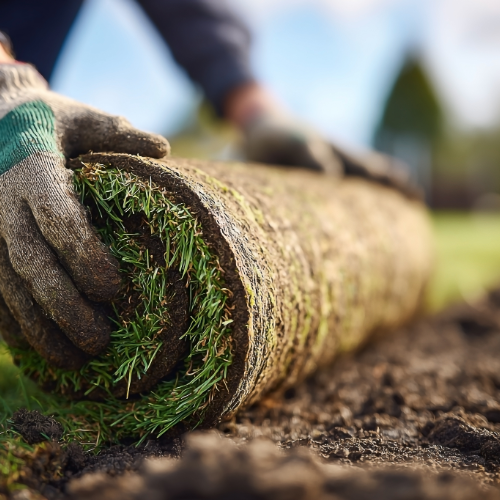
Freshly cut turf, which ensures maximum root vitality and quicker establishment.
Weed-free rolls, to prevent future maintenance problems and keep your lawn looking pristine.
Evenly green turf, as consistent colour indicates healthy growth.
Uniform thickness, which helps achieve a smooth, level finish when laying your lawn.
Furthermore, reputable suppliers often provide blends optimised for local soil conditions, climate and intended garden use. By choosing a trusted supplier, you not only simplify your selection process but also increase the likelihood of a strong, thriving and durable lawn that will last for years.
Final Tips for Choosing the Right Turf
To ensure your lawn thrives, it’s important to take a comprehensive approach when selecting and preparing your turf. By considering each factor carefully, you set yourself up for long-term success.
Assess your garden’s conditions first, including sunlight exposure, soil quality and drainage. Understanding these factors will guide you toward the most suitable turf variety.
Next, match the turf to your lifestyle, whether you need a durable lawn for kids and pets, a decorative ornamental lawn or a low-maintenance option that requires minimal effort.
Also, consider your local climate and how much watering you’re prepared to do, as these will affect growth, root establishment and overall maintenance.
Prepare your soil thoroughly before laying, incorporating topsoil and compost where necessary, to create a nutrient-rich, level foundation.
Finally, buy fresh, high-quality turf from a specialist, ensuring it is weed-free, evenly green and suited to your garden conditions.
By following these steps and combining careful selection with proper preparation, your garden can enjoy a healthy, vibrant lawn that not only enhances your home but also provides a beautiful, usable outdoor space for years to come.