Skip to content





Fast, Free Standard Delivery
Choose your Delivery Date
Outstanding value

10% off Garden Turf & Twinstak Bulk Bags - ends 30th October
Drainage Solutions Made Easy: Using Aggregates to Prevent Waterlogging
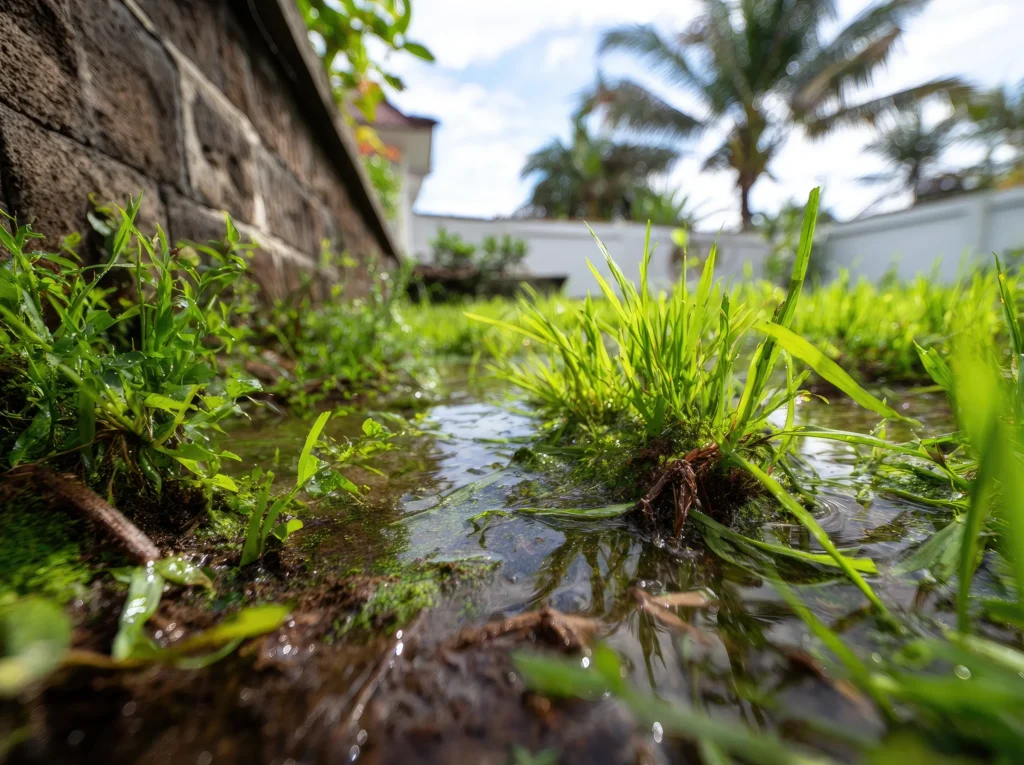
Waterlogged gardens can be frustrating. After all, standing water can make lawns muddy, paths slippery and borders difficult to maintain. In addition, poor drainage can leave outdoor spaces looking tired, messy and less enjoyable to use.
Fortunately, there are practical ways to improve drainage while still creating a smart, attractive finish. One of the simplest options is to use decorative aggregates.
Decorative aggregates, such as gravel, slate chippings, granite chippings, limestone chippings, pebbles and cobbles, can be used across paths, borders, driveways and feature areas. What’s more, they add texture and contrast while also helping with drainage and weed suppression.
So, whether you are refreshing a garden border, improving a pathway or upgrading a driveway, aggregates can offer a practical and stylish solution. In this guide, we’ll explain how they can help prevent waterlogging, where to use them and how to choose the right option for your project.
Why Does Waterlogging Happen?
Waterlogging usually happens when rainwater cannot drain away quickly enough. As a result, water sits on the surface or collects in low areas of the garden.
This can happen for several reasons. For example, heavy clay soil often drains slowly. Similarly, compacted ground can prevent water from soaking through. In other cases, hard landscaping or a lack of drainage channels can cause water to gather in one place.
Over time, this can make parts of the garden difficult to use. However, by improving surface drainage and choosing suitable landscaping materials, you can help water move more freely through the area.
How Can Aggregates Help with Drainage?
Decorative aggregates can help because they create a more free-draining surface than solid paving or compacted soil. Instead of water sitting on top, rain can pass between the stones and filter down into the ground below.
In addition, aggregates can help reduce muddy patches, especially on paths, around borders and in areas that receive regular foot traffic. As a result, the space can feel cleaner, tidier and easier to maintain throughout the year.
Better still, decorative aggregates do not just serve a practical purpose. They can also transform the look of your garden. For instance, gravel can create a classic natural finish, while slate chippings can give borders and pathways a more modern appearance.
Where Can You Use Aggregates to Improve Drainage?
Aggregates are incredibly versatile. Therefore, they can be used in several areas of the garden where drainage, appearance and low maintenance all matter.
- Garden Paths
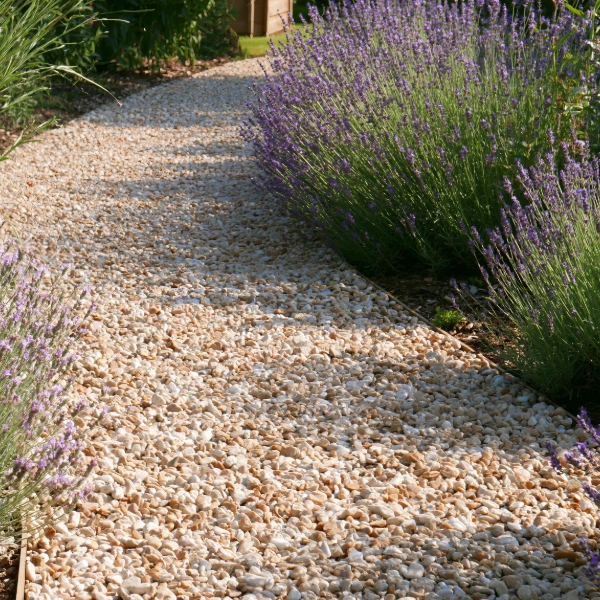
Aggregates are a popular choice for garden paths because they allow water to drain through the surface. This means paths are less likely to hold puddles compared with some solid surfaces.
Gravel or chippings can help create a defined route through the garden. For example, you could use decorative gravel for a natural walkway, or choose slate chippings for a clean, contemporary finish.
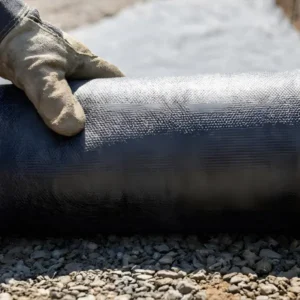
To improve performance, you should also ensure that you prepare the base properly. Clear the area, level the ground and consider using a membrane underneath. This can help reduce weed growth while keeping the aggregate separate from the soil below.
- Garden Borders
Decorative aggregates are ideal for borders and planted areas. Not only do they help create a neat finish, but they can also support better surface drainage around plants.
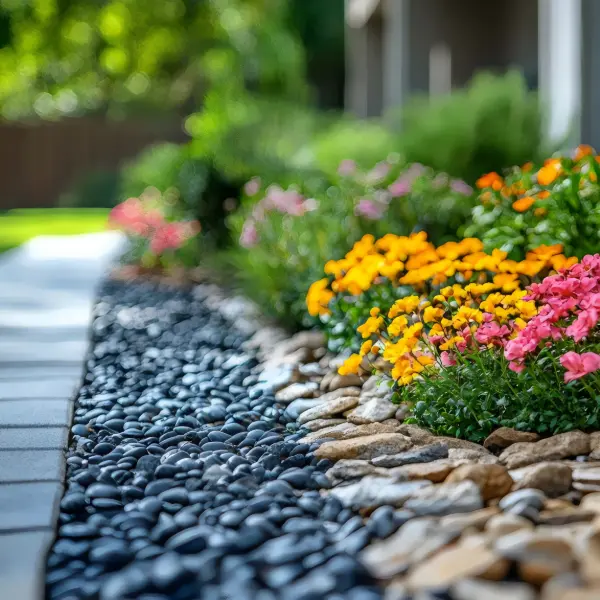
For example, a layer of gravel or slate chippings can help rainwater filter down through the border rather than leaving exposed soil wet and messy. In addition, aggregates can help reduce splashback onto plants during heavy rain.
As a result, borders can look cleaner and more polished, even after wet weather. Furthermore, the wide choice of colours and sizes means you can match the finish to your planting style, whether your garden is traditional, modern or somewhere in between.
- Driveways and Parking Areas
Driveways often need to cope with both rainwater and regular, heavy use. Therefore, choosing the right surface material is important.
Decorative gravel and chippings can be a practical choice for driveways because they help create a permeable surface when installed correctly. Instead of water sitting on the surface, it can drain between the stones. Consequently, this can help reduce puddling and surface water build-up.
However, driveways need proper preparation and consideration – the base, depth and aggregate type all matter. Therefore, if the area will be used for vehicles, it is important to choose a suitable product and ensure the surface is laid to an appropriate depth.
- Feature Areas and Rockeries
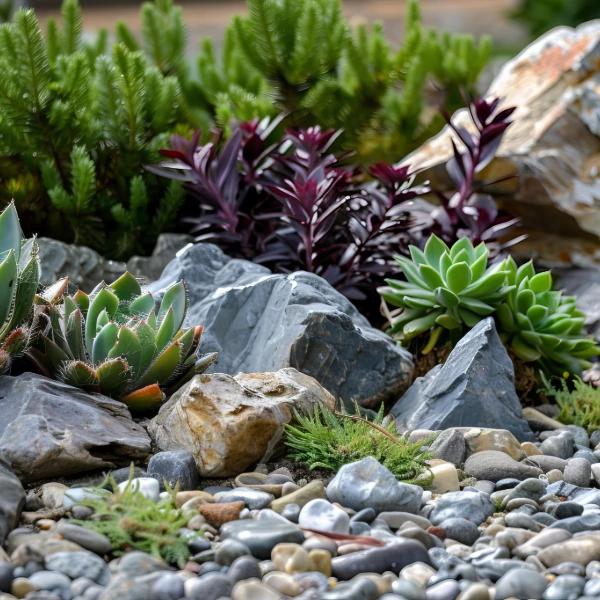
Aggregates are also useful for decorative features, rockeries and areas around garden structures. In these spaces, they can improve the look of the garden while also helping water move away from the surface.
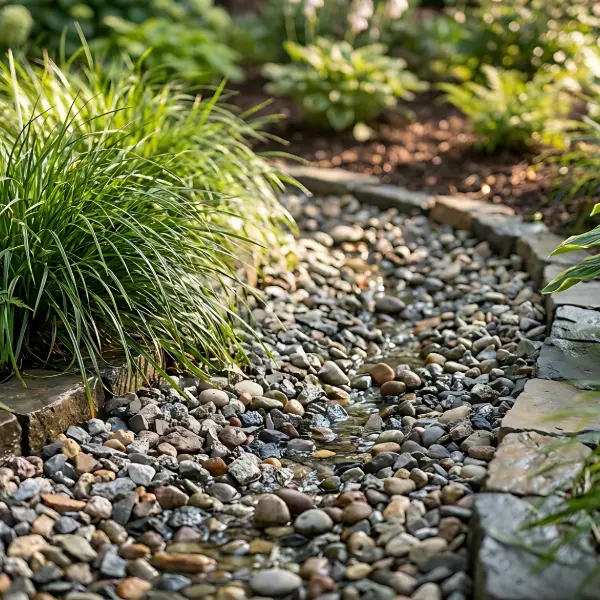
For instance, pebbles and cobbles can work well in decorative drainage channels or feature areas. Meanwhile, chippings can be used around pots, raised beds or seating areas to create a clean, low-maintenance finish.
As a result, you can combine drainage benefits with visual impact.
Choosing the Right Aggregate for Drainage
When choosing aggregates for drainage, it helps to think about where the product will be used, how much traffic the area will receive and what style you want to achieve.
For example, smaller chippings can be useful for paths and borders because they create a more even surface. Meanwhile, larger stones, pebbles and cobbles can work well in decorative features, rockeries or drainage-style areas.
In addition, colour can make a big difference to the final look. Lighter aggregates can brighten shaded spaces, whereas darker slate or basalt-style chippings can create a bold, modern contrast. Similarly, natural gravel tones can blend beautifully into traditional garden designs.
Topsoil.co.uk’s decorative aggregates range includes options such as slate chippings, granite chippings, limestone chippings, gravel, pebbles and cobbles. Therefore, it is easy to find a finish that suits both the practical needs of the project and the style of your outdoor space.
Should You Use a Weed Membrane?
In many cases, yes. A weed control membrane can be a helpful addition beneath decorative aggregates.
Firstly, it can help suppress weed growth. Secondly, it can keep the aggregate cleaner by separating it from the soil underneath. Finally, it can help create a more stable finish, particularly in borders and pathways.
However, it is important to choose a membrane that allows water to pass through. Otherwise, you could accidentally trap water rather than improving drainage. Therefore, always use a suitable landscaping membrane for the area and project type.
Simple Steps for Using Aggregates to Reduce Waterlogging
If you are planning a drainage-friendly aggregate project, follow these simple steps.
Step 1: Identify the Problem Area
First, look at where water collects after rain. Is it on a path, in a border, near a driveway or around a feature area? Once you know where the problem is, you can plan the right solution.
Step 2: Clear and Prepare the Ground
Next, remove weeds, debris and any loose material. Then, level the area as much as possible.
If the ground is compacted, it may help to loosen the surface before laying your base. For clay-heavy soils, breaking up the structure with compost can improve drainage and reduce compaction.
Step 3: Create a Suitable Base
After that, consider whether the area needs a prepared sub-base. This is especially important for driveways, parking areas and paths that will receive regular use.
A well-prepared base can help improve drainage, reduce movement and create a longer-lasting finish.
Step 4: Add a Permeable Membrane
Then, lay a suitable weed control membrane if required. This helps keep weeds down while still allowing rainwater to drain through.
Step 5: Lay the Aggregate Evenly
Finally, spread the aggregate evenly across the area. For decorative borders and light-use areas, a shallower layer may be enough. However, for paths and driveways, you may need a deeper layer to create a more durable surface.
Once laid, rake the aggregate level and check coverage across the full area. The finished surface should look neat, consistent and practical.
Extra Tips for Better Garden Drainage
Although aggregates can make a big difference, they work best as part of a well-planned garden surface. Therefore, it is worth thinking about the whole area.
For example, make sure water has somewhere to go. If possible, avoid creating low spots where water will naturally gather. In addition, consider edging paths and borders to keep aggregates contained and tidy.
Furthermore, if your garden has serious drainage problems, you may need additional solutions, such as land drains, soakaways or professional landscaping advice. Nevertheless, for many everyday garden improvements, decorative aggregates can be a simple and effective starting point.
Why Aggregates Are a Smart Choice for Wet Garden Areas
Decorative aggregates offer several benefits for gardens that struggle with wet or muddy areas.
Firstly, they help rainwater move through the surface more easily. Secondly, they can reduce muddy patches and make outdoor areas easier to walk on. Thirdly, they help create a tidier and more finished appearance.
In addition, aggregates are low maintenance, long lasting and available in a wide range of styles. Therefore, they are a practical choice for homeowners who want a garden that looks good and performs well.
Create a Drier, Smarter Garden with Topsoil.co.uk
Waterlogging can make gardens harder to enjoy. However, with the right materials and preparation, you can improve drainage while also creating a stylish outdoor space.
Decorative aggregates are a simple and effective way to refresh paths, borders, driveways and feature areas. In addition, they can help with drainage, reduce weed growth and add colour, texture and contrast to your garden.
So, if you are planning a practical garden upgrade, explore Topoil.co.uk’s decorative aggregates range. Whether you prefer gravel, slate chippings, granite, limestone, pebbles or cobbles, there are plenty of options to help you create a cleaner, smarter and more low-maintenance finish.
Browse our full range of decorative aggregates and start planning your drainage-friendly garden project today.