Skip to content

Fast, Free Standard Delivery
Choose a Delivery Date
Outstanding value

How to Improve Poor Soil Quality with Compost
Healthy soil is the foundation of a great lawn or a thriving garden. However if you notice your grass struggles to grow, water collects on the surface or plants appear weak despite regular care, poor soil quality may be the underlying issue.
Fortunately, there is a simple solution. Compost is one of the most effective and natural ways to restore and improve soil health. With that in mind, here’s how compost works and how to use it properly to achieve the best results.
What Causes Poor Soil Quality?
To begin with, soil problems are more common than many people realise. In fact, several common conditions can prevent soil from supporting healthy plant growth. The most frequent causes include:
• Compacted soil, which prevents roots from expanding and accessing nutrients
• Clay-heavy soil that drains poorly and retains excess water
• Sandy soil that struggles to hold nutrients or moisture
• Low organic matter, which results in lifeless and unproductive soil
As a result, these conditions make it difficult for turf and plants to establish strong, healthy roots, even when watering and fertilising are done correctly.
Why Compost Is the Solution
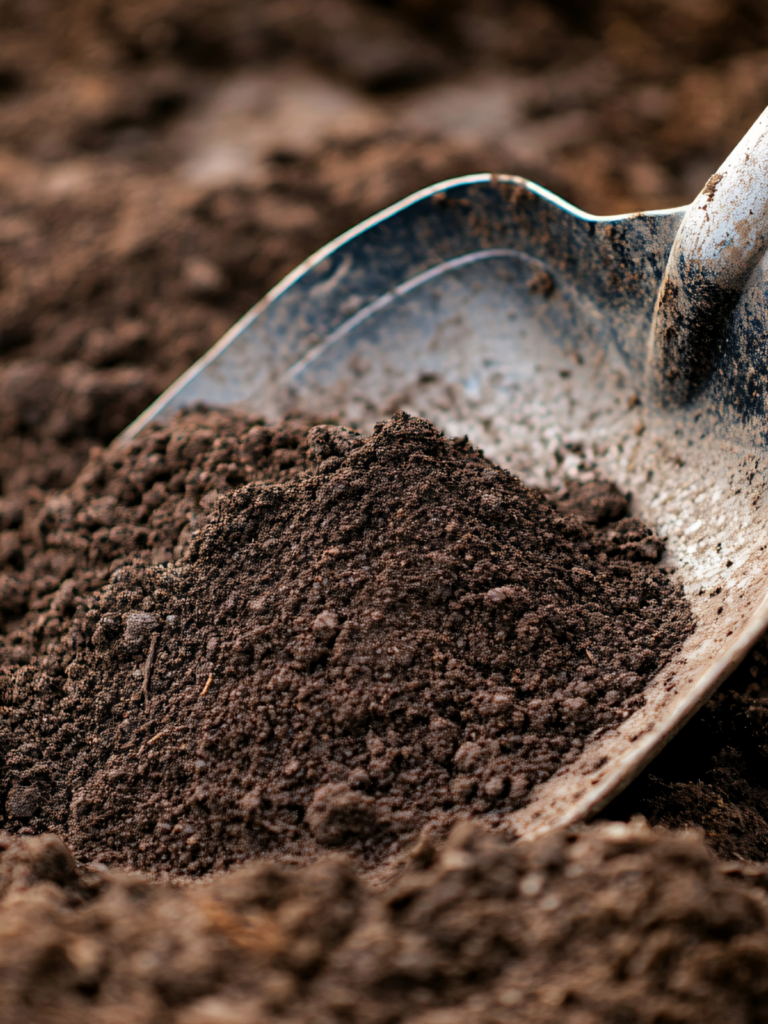
This is where compost becomes particularly valuable. Compost is decomposed organic matter that is naturally rich in nutrients and beneficial microorganisms.
When incorporated into soil, it not only improves fertility but also enhances soil structure. Consequently, this creates an environment where grass and plants can grow more vigorously.
Key Benefits of Compost:
• Improves drainage in heavy clay soils
• Increases water retention in sandy soils
• Adds essential nutrients in a natural way
• Encourages stronger and healthier root development
• Boosts beneficial soil microbes
In other words, compost helps soil work with your lawn or garden rather than against it.
How to Improve Soil with Compost
1. Identify Your Soil Type
First, it’s important to understand your soil’s current condition before adding compost. For instance, is the soil dense and sticky, or is it dry and gritty? By identifying the type of soil you’re working with, you can better determine how much compost will be required.
2. Prepare the Area
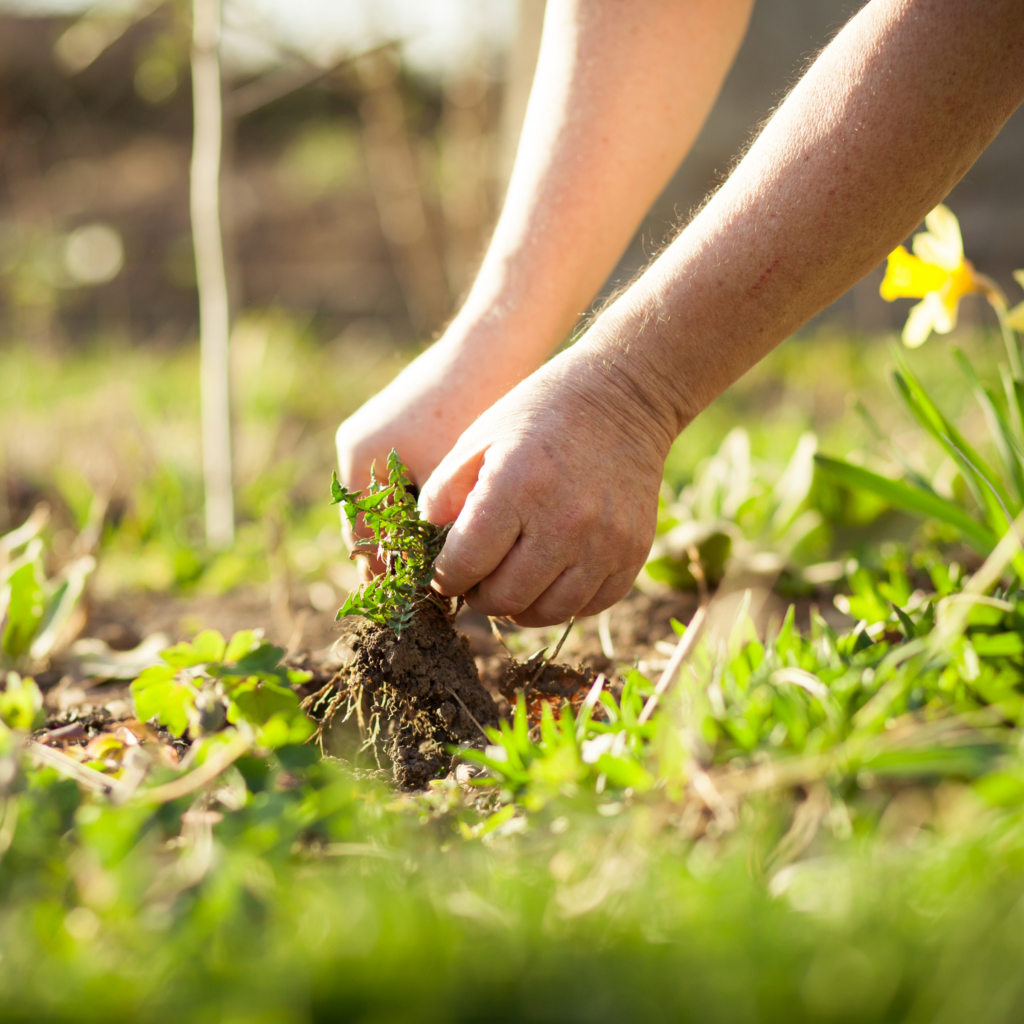
Next, prepare the area so the compost can integrate effectively. For lawns, mow the grass low and remove any debris. Meanwhile, in garden beds, clear away weeds and old plant material. By loosening the surface slightly, compost can blend into the soil more easily.
3. Apply Compost Evenly
Once the area is prepared, spread compost evenly across the surface. Recommended amounts include:
• Lawns: approximately 5–10 mm across the surface
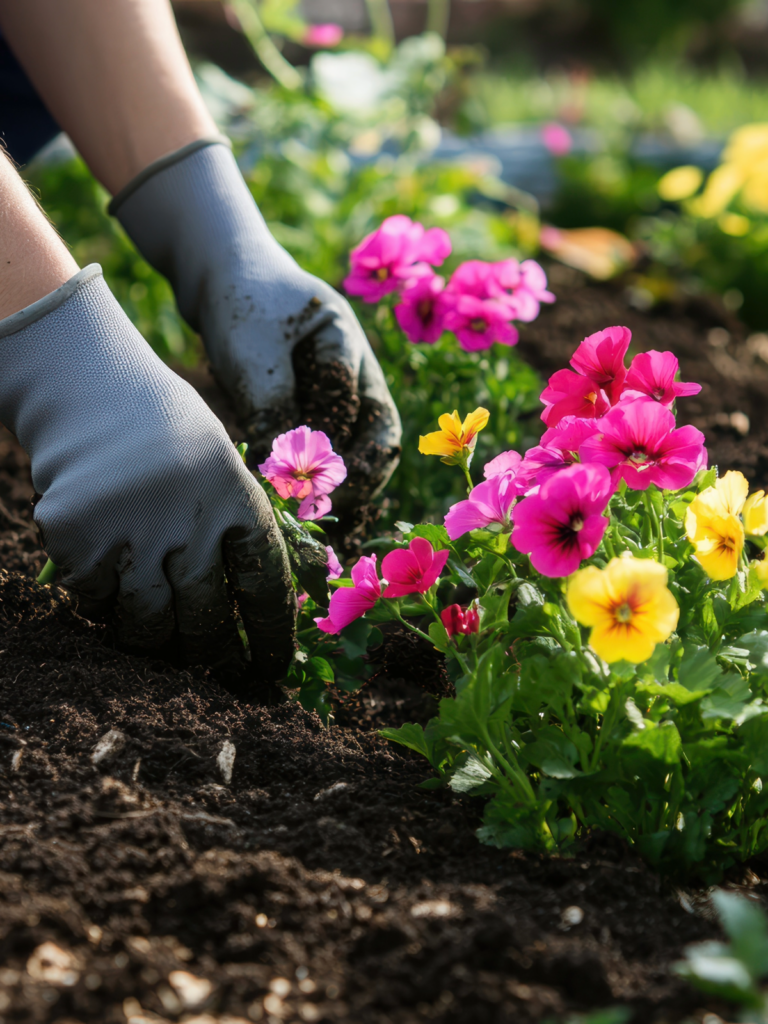
• Garden beds: around 50–75 mm worked into the topsoil
Additionally, when starting new turf or garden projects, blending compost with quality topsoil can create an excellent growing foundation.
4. Water Thoroughly
After application, water the area well. This step helps the compost settle into the soil while also activating the beneficial microorganisms it contains.
5. Repeat Annually
Finally, regular compost applications help maintain healthy soil structure and fertility. Over time, this can also reduce the need for chemical fertilisers.
Using Compost When Laying Turf
When installing new turf, proper soil preparation is especially important. By mixing compost into premium topsoil before laying turf, you can significantly improve root establishment, drainage and the long-term performance of your lawn.
Healthy Soil = Better Results
Ultimately, improving poor soil quality doesn’t require harsh chemicals or costly treatments. Instead, compost provides a natural and proven method for transforming tired soil into a productive growing environment.
Whether you’re refreshing an existing lawn or preparing the ground for new turf, investing in high-quality soil and compost is the first step toward achieving long-lasting results.
Need quality turf or topsoil delivered straight to you?
As an online-only supplier, we make ordering premium turf and topsoil simple. No yard visits and no hassle, just reliable delivery and great results.