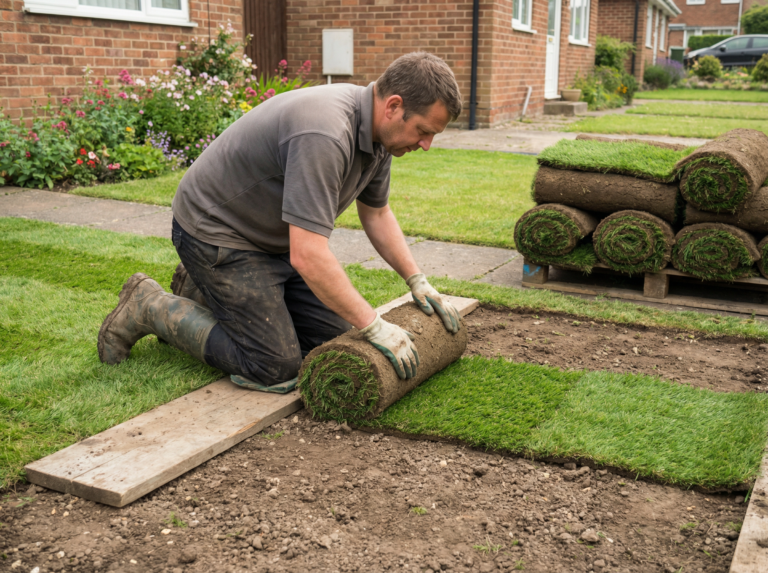
Laying turf is one of the quickest ways to achieve a lush, green lawn; however, it only delivers lasting results when done correctly. Unfortunately, many homeowners unknowingly make simple mistakes that can lead to patchy growth, weak root establishment, drainage problems or even complete turf failure.
To help you avoid these common pitfalls, this guide breaks down the top turf-laying mistakes and, more importantly, explains exactly how to prevent them so your lawn can establish properly and thrive from day one.
Failing to Prepare the Soil Properly
First and foremost, soil preparation is the foundation of a healthy lawn. Without it, even the highest-quality turf can struggle to establish properly. When this crucial step is skipped or rushed, it often results in uneven surfaces, poor drainage and weak root development.
As a result, common problems caused by poor preparation include:
A bumpy or uneven lawn surface
Water pooling after rainfall
Roots failing to properly establish
Weeds pushing up through the turf
To prevent these issues, it’s essential to take the following steps before laying your turf:
Begin by removing all stones, weeds and old grass
Then loosen the soil to a depth of 10–15 cm to encourage strong root growth
Next, add fresh topsoil to improve overall soil structure
In addition, mix in compost to boost nutrient levels
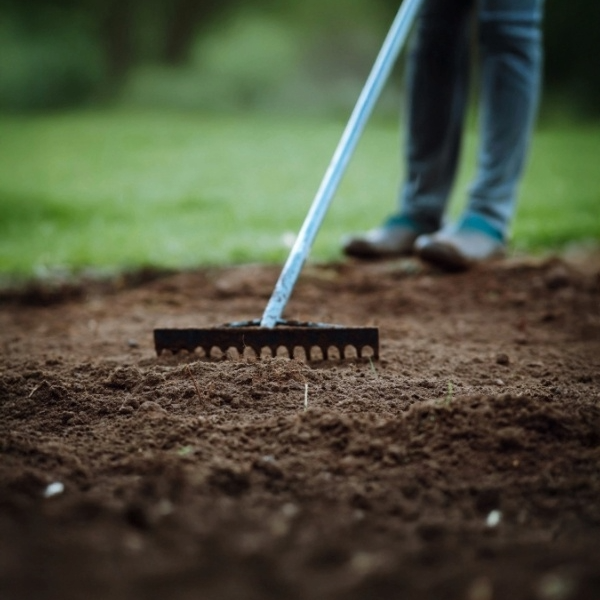
Finally, rake and carefully level the surface to create a smooth, even base before laying the turf
By taking the time to prepare the soil properly, you set your lawn up for long-term success from the very start.
Laying Turf on Dry Soil
Why it’s a mistake:
To begin with, laying turf on dry soil significantly reduces the chances of successful root establishment. When the ground lacks moisture, the turf roots struggle to bond properly with the soil beneath.
As a result, the grass can quickly begin to yellow, shrink, or even lift at the edges. Over time, this poor contact can severely limit healthy growth.
How to avoid it:
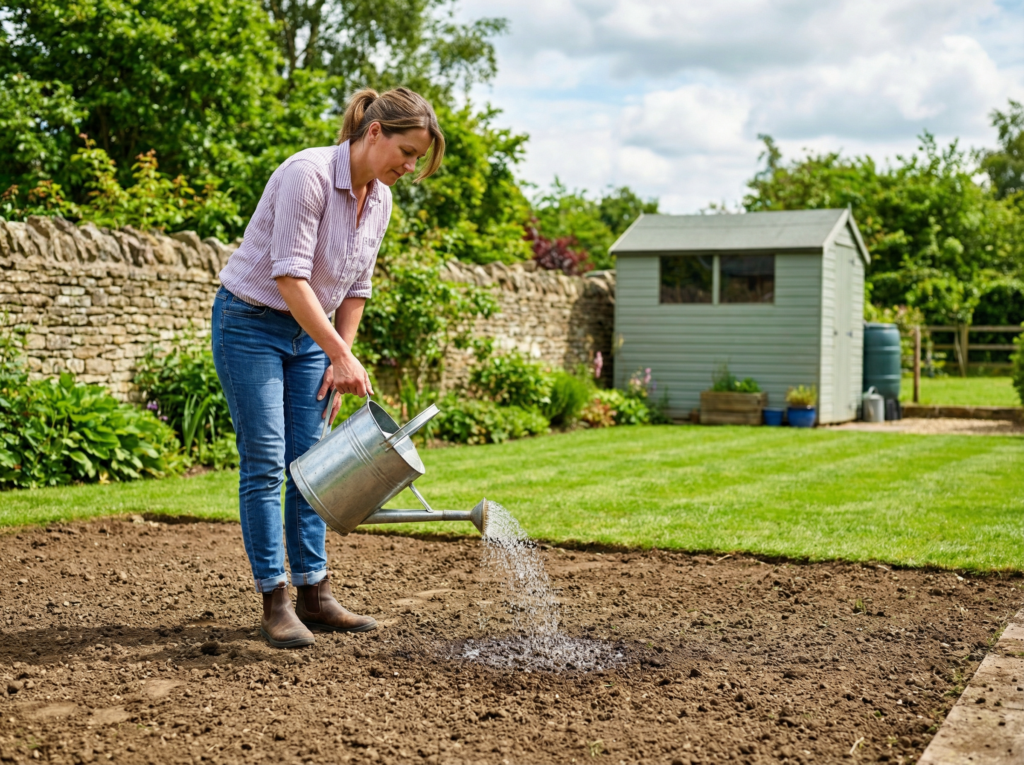
First and foremost, lightly water the soil before laying the turf to ensure there is adequate moisture for root contact.
Additionally, avoid installing turf during scorching summer afternoons, as excessive heat can dry out both the soil and the turf too quickly.
Finally, for the best results, install the turf immediately after delivery so it remains fresh and viable for strong establishment.
Leaving Gaps Between Turf Rolls
Another common mistake is leaving small gaps between turf rolls. At first, these spaces may not seem significant; however, they can quickly dry out and create the perfect opportunity for weeds to take hold.
Furthermore, during hot weather, turf naturally shrinks slightly, which can make even minor gaps far more noticeable and difficult to correct later on.
How to avoid it:
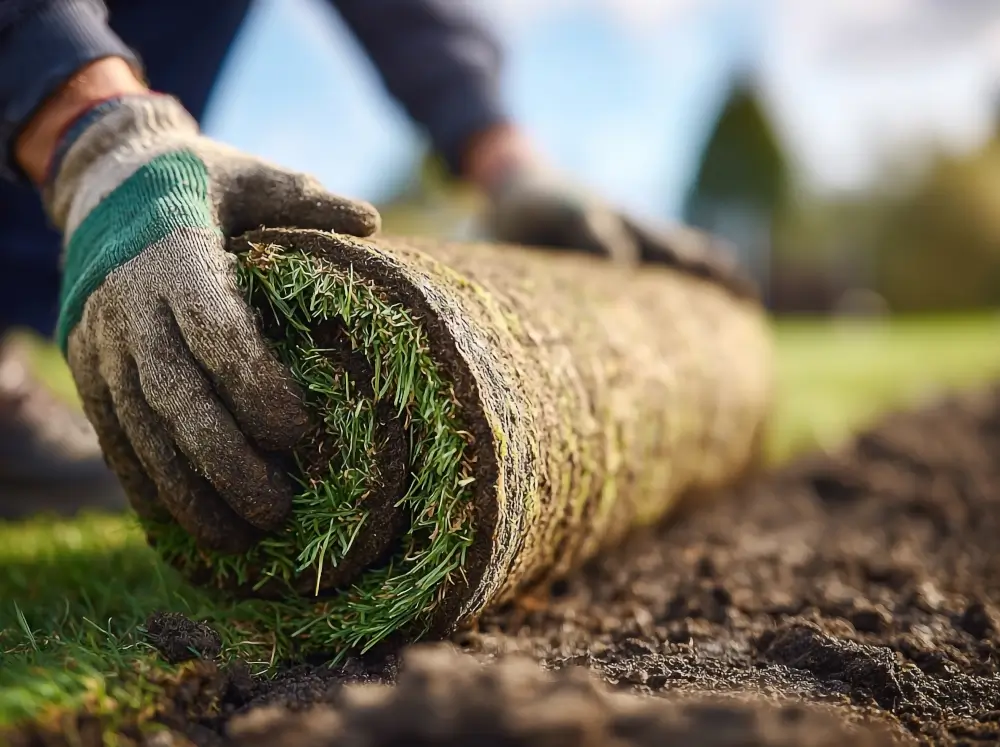
To begin with, butt each roll tightly against the next to eliminate visible spaces.
In addition, stagger the joints in a brickwork pattern, as this not only improves appearance but also adds structural stability.
Finally, press down firmly along the edges to remove air pockets and ensure strong contact with the soil beneath.
Walking on Freshly Laid Turf Too Soon
Equally important, walking on newly laid turf too soon can cause significant long-term damage. Before the roots have had time to properly establish, the turf is particularly vulnerable.
As a result, foot traffic can compact the soil, damage delicate young roots, and create dents or depressions that may eventually become permanent imperfections in your lawn.
How to avoid it:
First and foremost, keep pets and children off the lawn for at least two to three weeks to allow sufficient time for rooting.
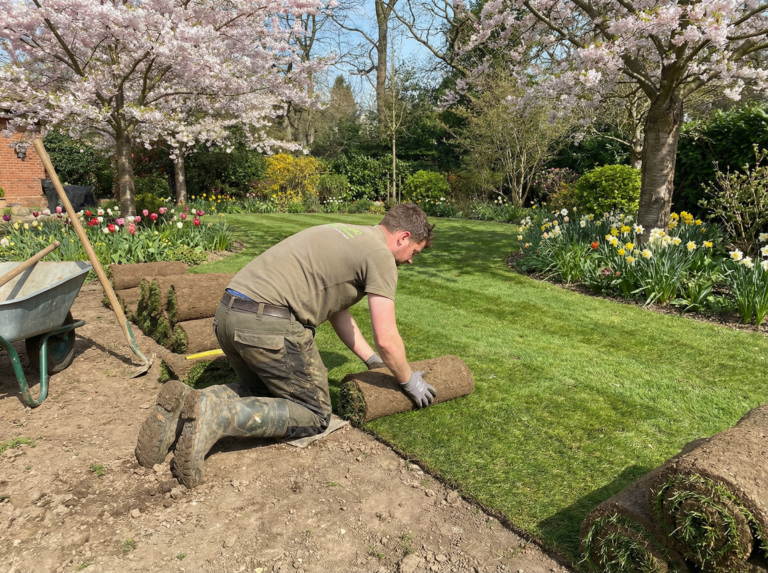
If access to the garden is absolutely necessary, walk only on wooden planks to distribute weight more evenly and reduce pressure on the turf.
Finally, after approximately 10 to 14 days, gently lift a corner of the turf to check whether it has started to root firmly into the soil.
Laying Turf at the Wrong Time of Year
Finally, timing plays a crucial role in successful turf establishment. When turf is laid during periods of extreme heat, frost, or waterlogged conditions, it naturally struggles to take root. In such environments, the grass can become stressed, moisture levels may fluctuate dramatically, and overall establishment becomes far more difficult.
Consequently, choosing the right season can make a significant difference in long-term results.
Best seasons to lay turf:
Autumn (ideal): Because the soil remains warm from summer while rainfall becomes more consistent, turf can establish quickly with less intensive watering.
Spring: Similarly, spring offers good soil moisture and stable temperatures, creating favorable growing conditions.
Summer and winter: Although turfing is still possible during these seasons, it requires additional care, such as more frequent watering in summer or protection from frost in winter, to ensure successful establishment.
Underwatering or Overwatering New Turf
In addition to proper preparation and timing, getting the watering balance right is absolutely essential for new turf. Both underwatering and overwatering can cause serious problems during the establishment phase.
Therefore, understanding the warning signs of each can help you adjust quickly and prevent long-term damage.
Symptoms of underwatering:
To begin with, the turf may start turning yellow or brown, indicating stress.
In addition, you may notice the edges shrinking or curling as the grass struggles to retain moisture.
Symptoms of overwatering:
On the other hand, the soil may become excessively mushy or waterlogged.
Furthermore, mushrooms may begin appearing, signalling overly damp conditions.
You might also find that the turf slips or shifts when walked on, which suggests poor root anchoring due to excess moisture.
How to avoid it:
Initially, water daily during the first week to keep the soil consistently moist—especially in hot weather, when more frequent watering may be necessary.
Then, gradually reduce the frequency during weeks two to three as the roots begin to establish.
Most importantly, water deeply rather than lightly, as deeper watering encourages stronger root growth.
As a final tip, aim to water early in the morning or later in the evening, when evaporation rates are lower and moisture absorption is more effective.
Ignoring Drainage Problems
Equally important, overlooking drainage issues can seriously undermine the success of your new lawn. When water is unable to drain properly, it begins to accumulate in the soil.
How to avoid it:
To begin with, improve heavy soil by incorporating sand or suitable aggregates to enhance drainage.
In addition, carefully level out any dips or depressions where water is likely to pool.
Using Low-Quality Turf
Finally, the quality of the turf itself plays a crucial role in long-term success. Although cheaper options may seem cost-effective at first, they often contain hidden issues. For instance, low-quality turf may include weeds, have inconsistent thickness, or possess weak root systems that struggle to establish properly. Consequently, what initially appears to be a saving can quickly result in additional time, effort, and expense.
How to avoid it:
First and foremost, purchase turf from reputable, established suppliers with positive reviews.
Whenever possible, choose turf that has been freshly cut on the day of delivery to ensure maximum vitality.
Lastly, inspect the rolls carefully for consistent colour, dense growth, and adequate moisture before installation.
Final Tips for a Healthy, Long-Lasting Lawn
In conclusion, achieving a healthy and long-lasting lawn ultimately comes down to careful preparation, proper installation and consistent aftercare.
By paying close attention to each stage of the process, you can significantly improve your turf’s chances of thriving.
To summarise, be sure to:
First and foremost, prepare the soil thoroughly to create a strong foundation.
Next, lay the turf on damp, rather than dry, soil to encourage proper root bonding.
At the same time, fit each roll tightly together to prevent gaps and future shrinkage.
In addition, water correctly, ensuring the soil remains consistently moist without becoming waterlogged.
Equally important, avoid walking on the turf while it is still establishing roots.
Finally, choose high-quality turf from reliable suppliers to ensure strong, healthy growth from the outset.
Ultimately, by avoiding these common mistakes and following best practices, you will give your lawn the strongest possible start resulting in thick, vibrant, and long-lasting turf that enhances your outdoor space for years to come.